Teletherapy: Connection & Care
Investigating the emotional quality of digital therapeutic connection and care.

ROLE:
Qualitative Researcher
TIMEFRAME:
10 weeks
SKILLS:
Critical Design
Sketching
TOOLS:
Figma, Dovetail
THE CHALLENGE
Teletherapy works, but...
Teletherapy is a convenient and affordable way to connect with a licensed therapist that works for many. However, within this space my team discovered an under-researched aspect of teletherapy: the emotional quality of therapeutic digital care.*
In our background research, we found that patients report a stronger connection to their therapist when engaged in in-person therapy. Why was that? Why did the connection fade when conducted through digital mediums?

*The purpose of this project was to advance the research within a design space rather than develop a design solution
RESEARCH QUESTION
How might digital communication influence the delivery of care and depth of relationship within therapist-patient relations?
RESEARCH
Tell me more about that
To dig into the question, we interviewed patients and therapists with varying years of experience with teletherapy. Besides interview questions, participants engaged in directed storytelling and a card sort activity where they identified what their ideal therapeutic care did and did not look like.
Afterwards, we coded and synthesized the data to give rise to insights. I had expected to uncover consistent, overarching themes across the interviews, but instead discovered that therapeutic needs were highly variable and depended on an individual’s unique background, experiences, and preferences.

EXPLORATORY SKETCHES
Let's explore that
Then it was on to sketching. Since the purpose of this project was to further the conversation within this design space, I generated ideas that probed at the edges of the space.
A look into the process behind 3 sketches:


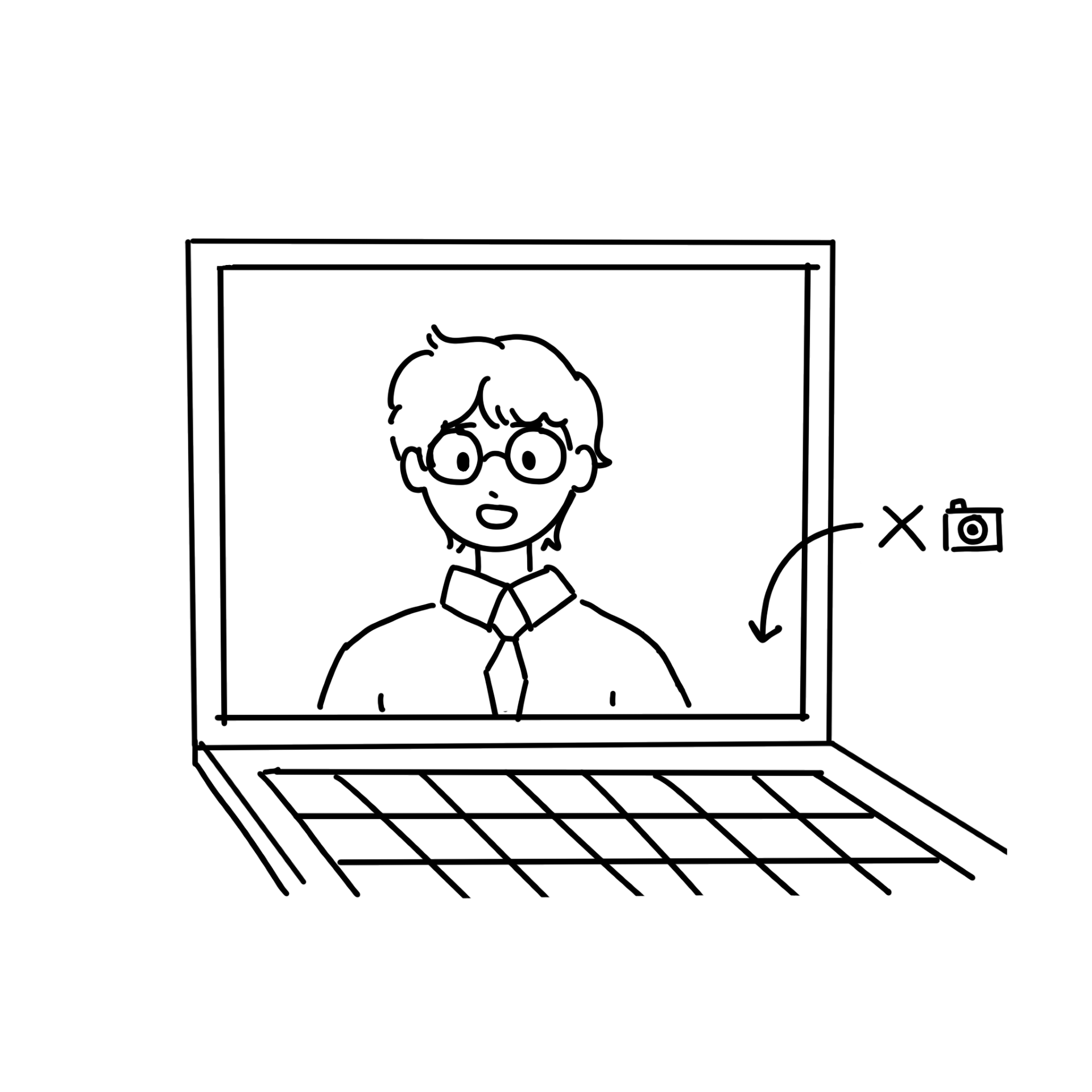
Anti-Cringe Pause
An idea where the computer senses when the patient feels cringe and pauses the teletherapy in an attempt to snap them out of it.
My intention with this idea was to spark discussion on self-consciousness in teletherapy and what techniques, if any, are used to relieve a patient of these feelings during therapy. I found this idea funny, and was curious to see how participant may react and break down the humor into insights.
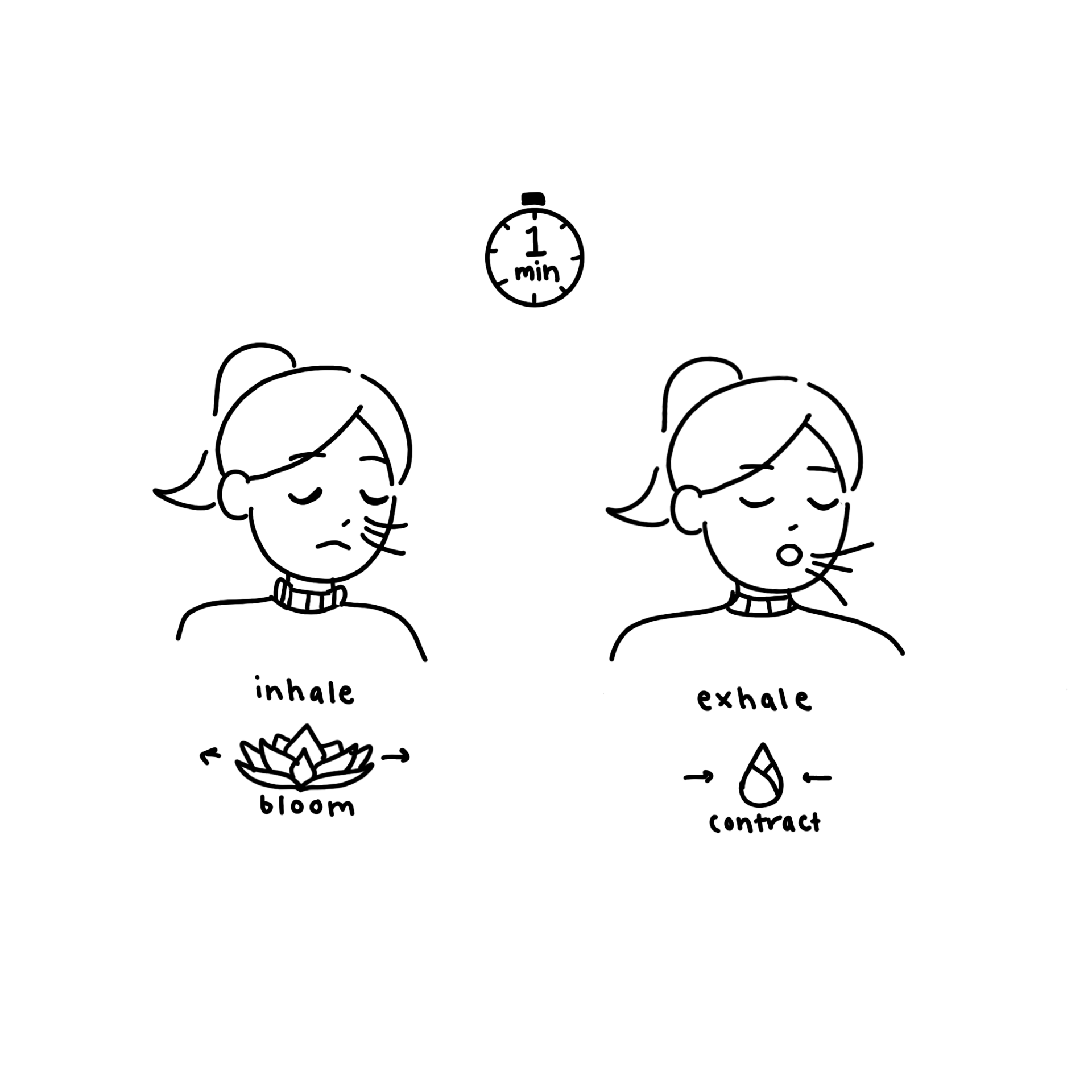
Breathing Exercises
An idea where patients engage in a breathing exercise before therapy, accompanied by an animated breathing visual displayed on their screen.
With this idea, I wanted to push what transitioning spaces can look like when the physical space may be subject to change or coincide with other uses. I wanted to explore whether transitioning one's mental space can relieve the disconnect created when therapist and patient are in separate spaces.
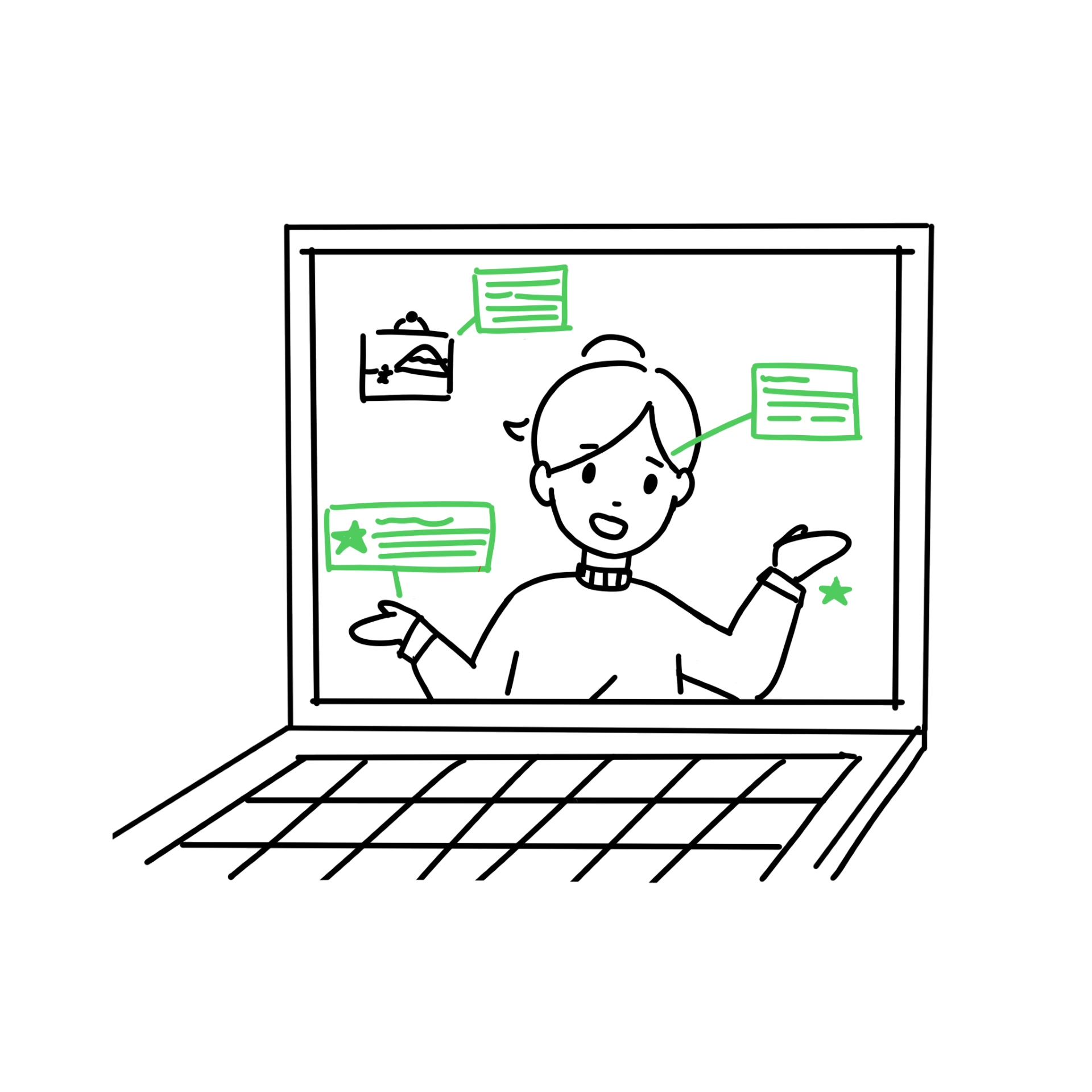
AI Video Note Taker
An idea where an AI note taker takes note of body language for therapists to use.
Participants often noted the limited sensory information digital therapy provides, and through this idea I wanted to spark discussion on whether technology can attempt to fill those gaps by noting information directly. What is this idea's effect on the nature of human connection? What is lost and what is gained?
FEEDBACK SESSIONS
How does that make you feel?
We brought 3 participants back for feedback sessions, noting which sketches inspired the most insightful discussion. We found that a common theme across this project was the idea of "real". The perceived "realness" of a therapy-patient relationship dictated the depth of the relationship and the quality of care. From the feedback sessions, identified two central findings regarding "realness" that informed out final sketches:
1. The relationship feels more real when technology is secondary and supportive to the therapeutic process.
2. A lack of realness is amplified when the technology feels intrusive or imitative of human qualities.
REFINEMENT
Final Sketch Collection
With our findings in mind, we refined our ideas into 3 final sketches.

Patient Guidelines Video
An approachable internet video discussing relationship guidelines to bridge dissonant expectations.

AR Breathing Exercises
Using AR hand gestures, the therapist syncs a breathing exercise with the coloration of the walls to curate a visually immersive space.

The Helping Hand
A remotely controlled hand to offer acts of physical care that are lost digitally.
DELIVERABLE
Workbook
All research, analysis, and sketches were compiled into a design workbook as a tool for future designers and researchers exploring this therapeutic design space. Some next steps for this project include revisiting ideation to generate more concepts that further this conversation on teletherapy and realness.
TAKEAWAYS
1. It's fun to switch it up!
This project showed me that I've grown comfortable with the typical product design process. As design students, we’ve been trained to identify and develop a singular design response to a challenge rather than hold space for many responses at once. Exercising new thinking muscles during this project proved challenging but increadibly fun.
2. Outliers are telling
When we were analyzing and synthesizing data, I kept struggling trying to find the throughlines between all the stories we were gathering. By trying to generalize all our participants into insights that generally held true for all our participants, we lost juicy details that affected our research story. Once we decided to focus on our edge cases, we were able to dig up interesting insights.